
What exactly are the differences between microphones, and what are the pros and cons of their various characteristics? We’ll answer that in this
Good to Know!
Sinus specializes in technical solutions for event technology—including microphones and sound reinforcement. So if you’re planning an event where sound technology—whether for live music, keynote speeches, or a DJ—plays an important role, we’re the right partner for you. We don’t just act as a technical service provider; we also offer personalized advice, from the initial idea
all the way through to the execution of the event!
What is the proximity effect?
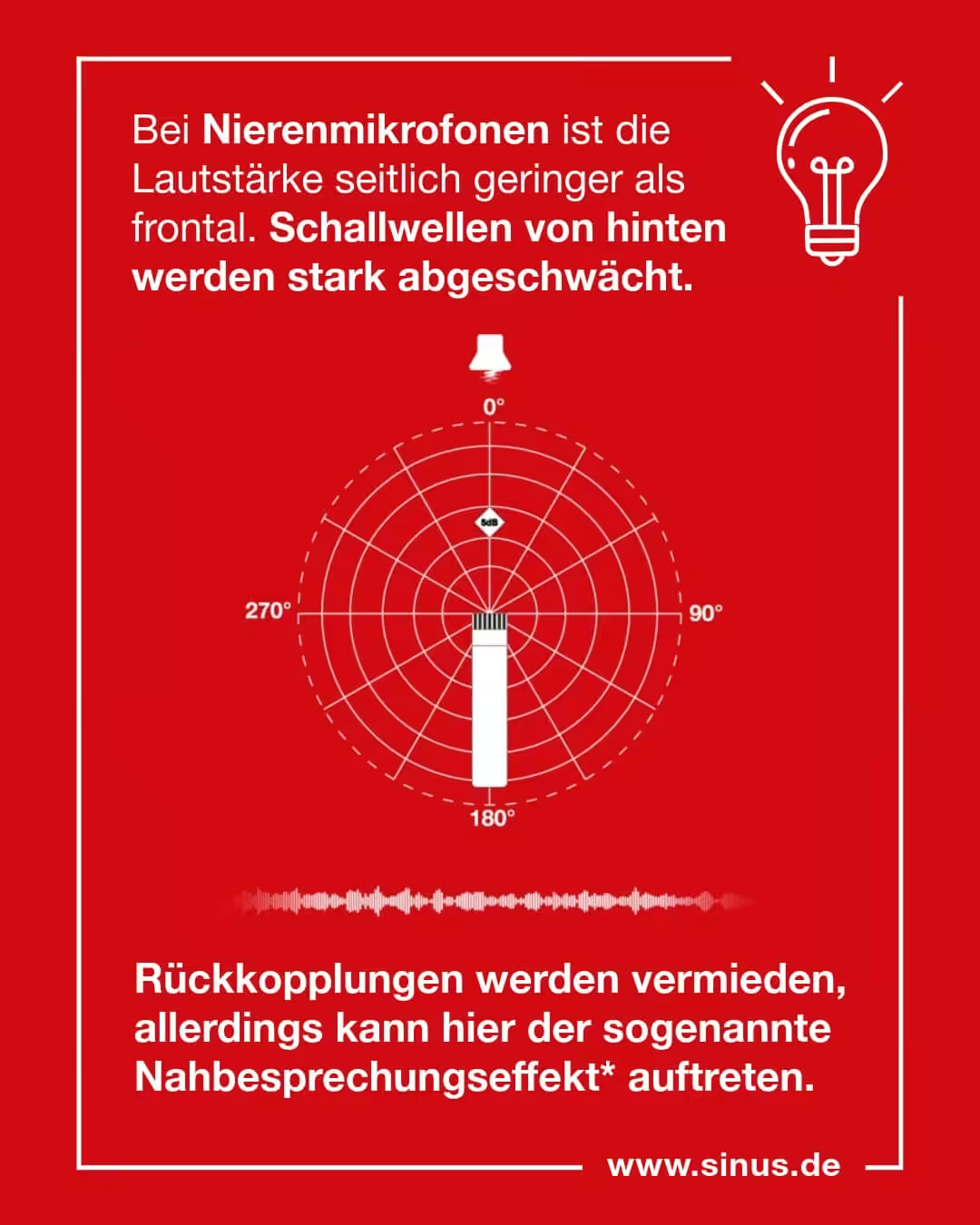
Depending on the microphone’s characteristics, the bass component of a voice increases when the microphone is positioned closer to the mouth. While this effect can make some voices sound warm and full, it can make others sound muffled or hard to understand. The effect is therefore neither inherently positive nor negative—it must be appropriate for the specific voice and situation.
What is a polar pattern?
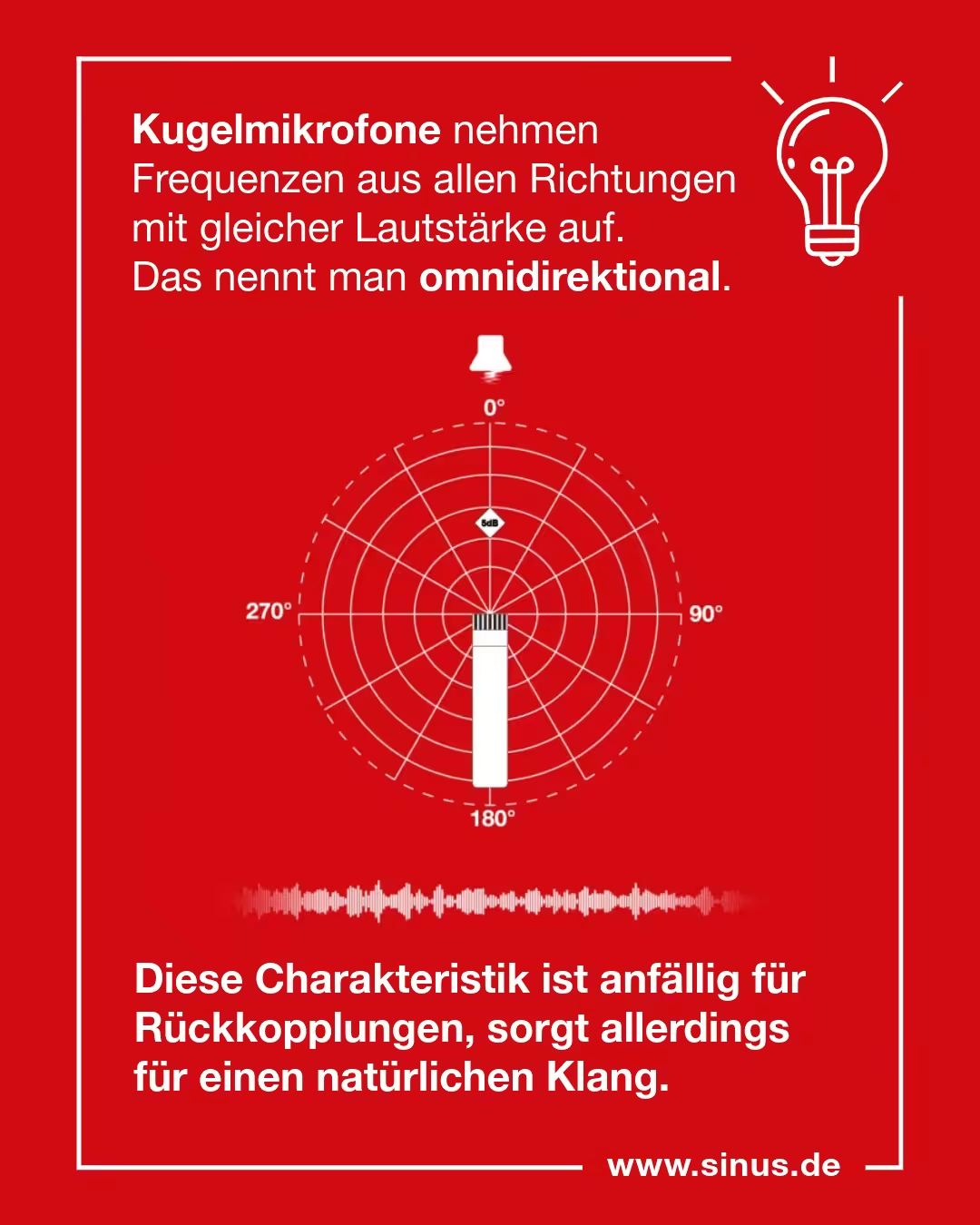
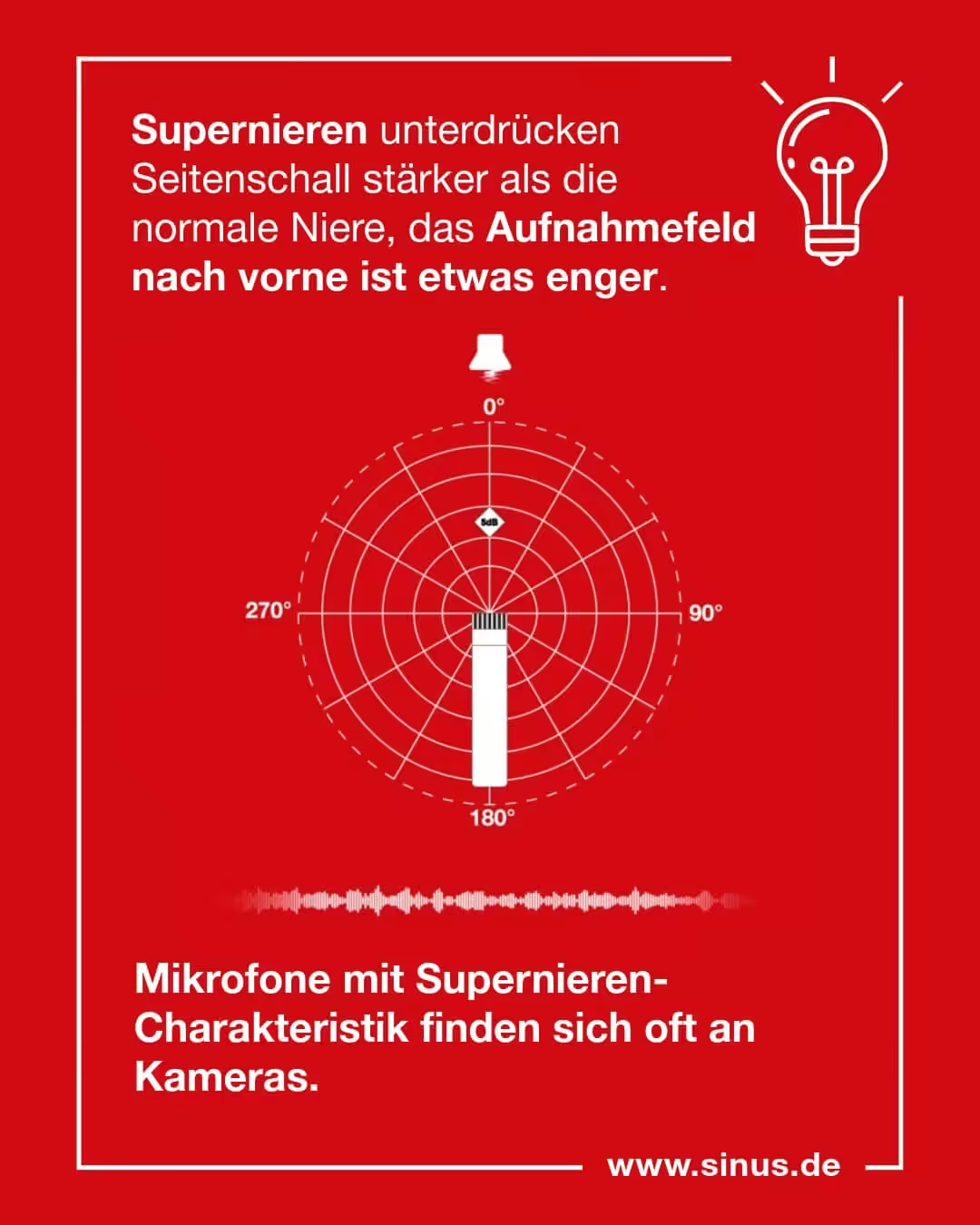
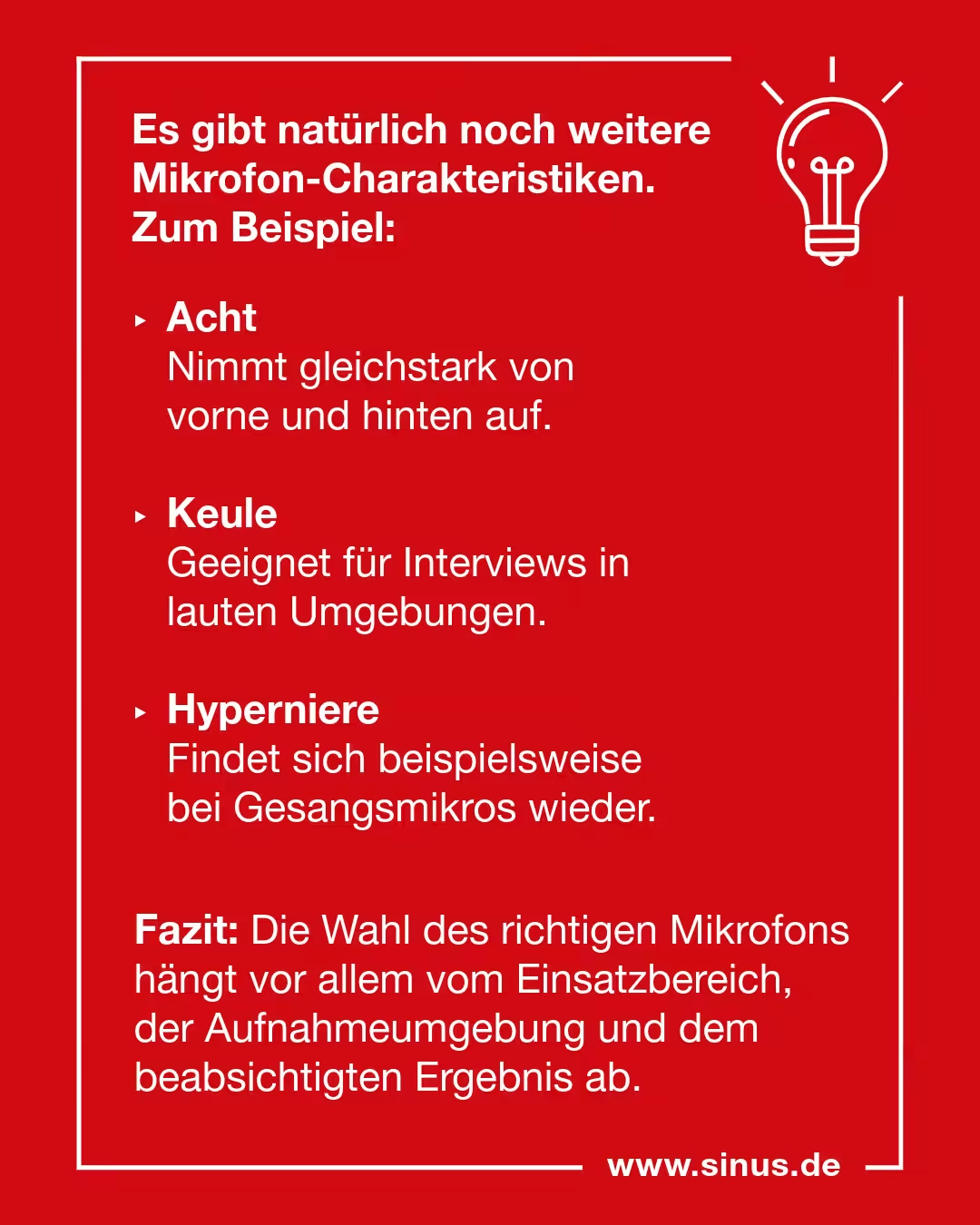
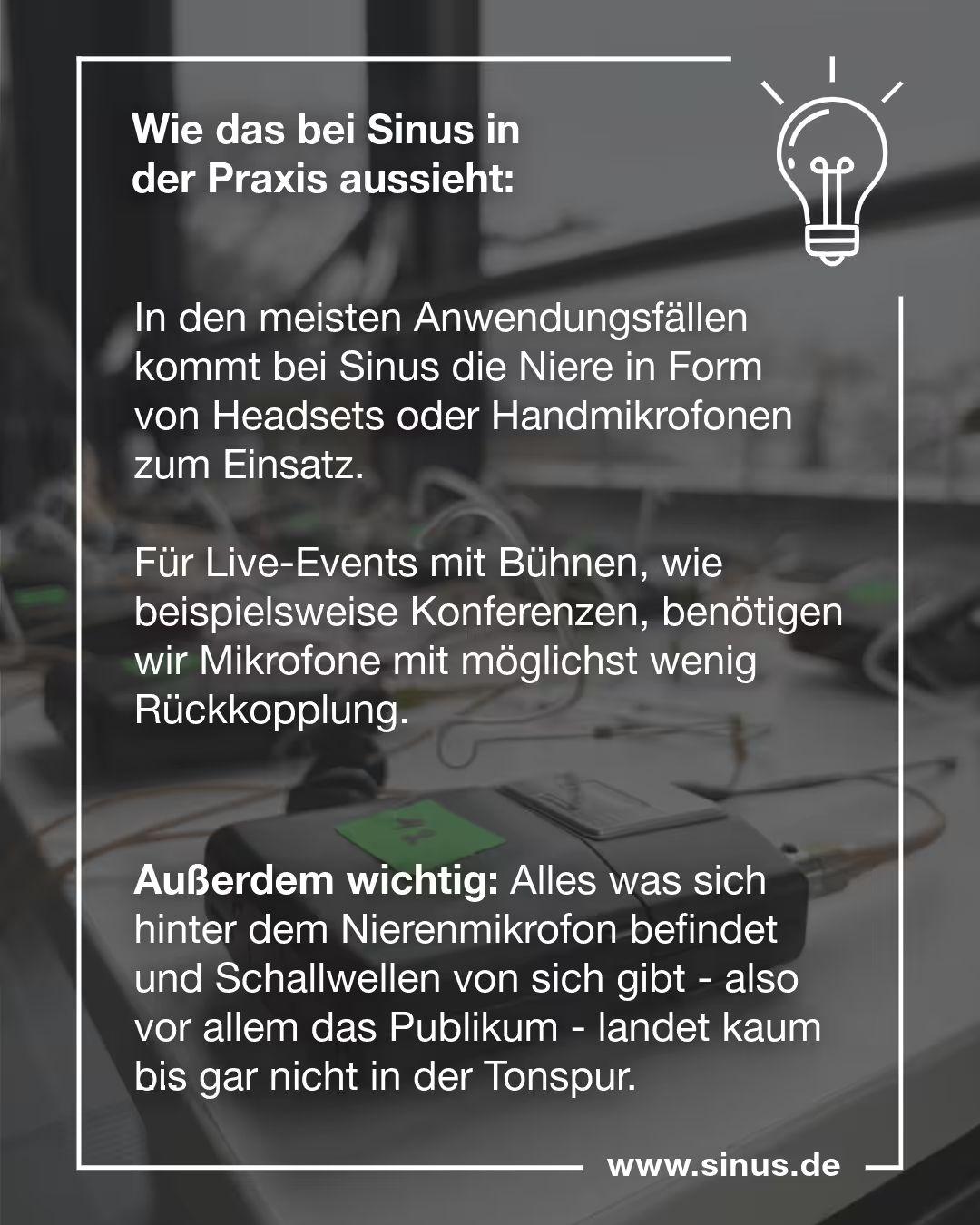
A polar pattern shows how many sound waves a microphone picks up from which directions—viewed from a bird’s-eye perspective. The diagram indicates how loud the microphone picks up sound at different angles. The 0° mark points forward. Our animations are provided for illustrative purposes only. In practice, every microphone has its own polar pattern.